What an Indian fintech that powers 700+ banks saw in Helsinki
When Sarvatra Technologies, one of India’s leading fintech infrastructure companies, began searching for a European headquarters, it evaluated several locations across Europe and North America. The company ultimately chose Helsinki, drawn by its technology ecosystem, international talent and collaborative business environment.
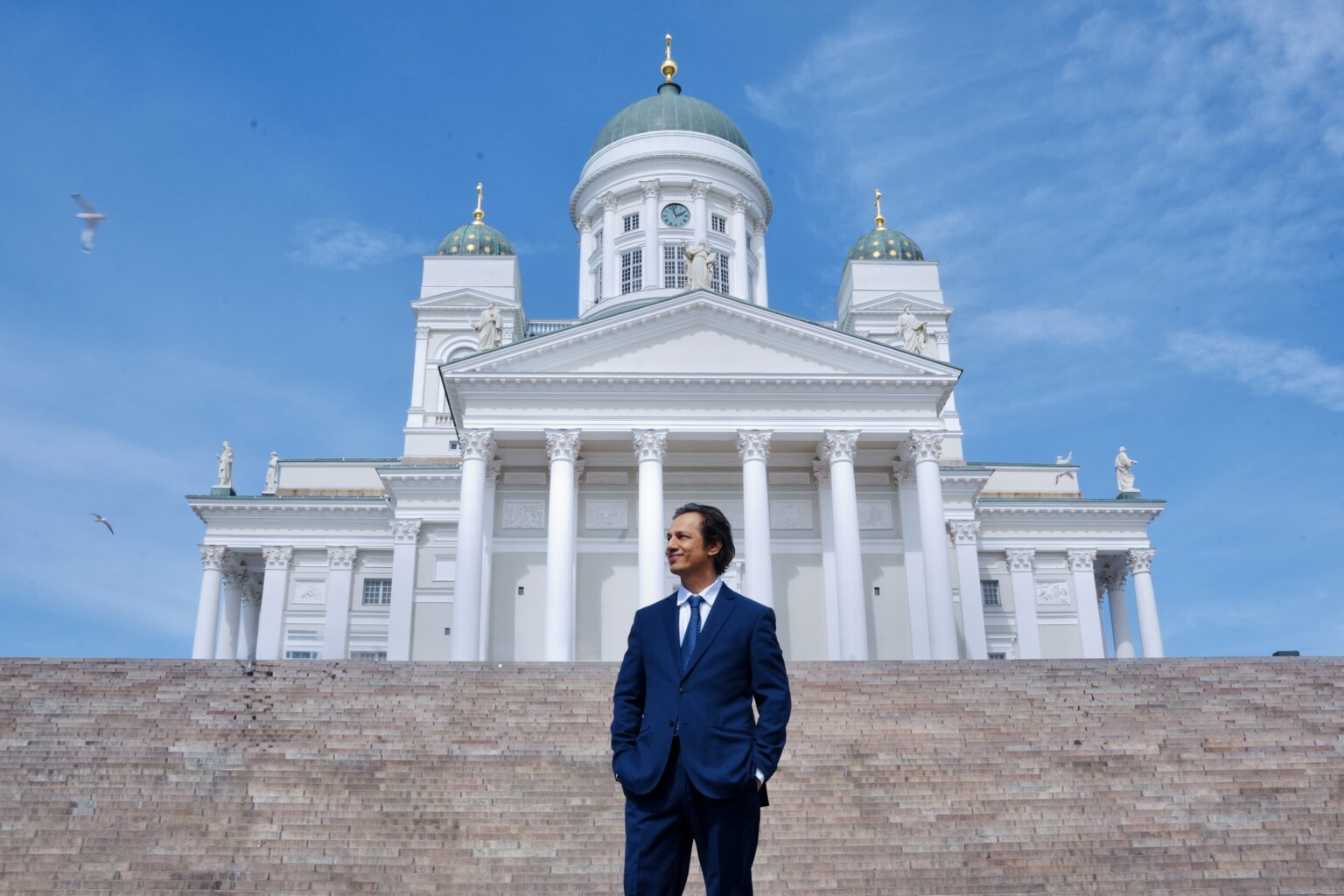
From Indian fintech revolution to Europe
During 2025, Sarvatra Technologies visited Helsinki while evaluating several cities across Europe and North America for its European headquarters. Sarvatra Technologies could base its European operation almost anywhere, but they specifically chose Helsinki to expand their fintech business.
To see why that matters, it helps to know what Sarvatra is. When Mandar Agashe started the company in Pune in 2000, India ran on cash. Card payments had spread across most of the world by then, but they hadn’t reached India, and only the top 10% of banks issued cards at all. Agashe’s read on the gap became the company: a low-cost card platform the rest of the banks could afford, so payments would follow. Sarvatra built the first card switch for Indian banks. He called the company Sarvatra, which means “everywhere”.
Twenty-five years on, more than 700 banks in India run on the Sarvatra platform. The company does this from underneath. Sarvatra builds transaction switching, card issuing, real-time payment rails including UPI and IMPS, and the digital banking platforms banks sit on top of. No consumer sees the brand. They see their bank work.
Why Sarvatra chose Helsinki
Other than the fact that Finland is an EU country using the Euro, Agashe set three criteria for the European base:
- It had to be a happy place
- It had to be technologically advanced
- People had to be comfortable working in English, since Sarvatra’s India team works in English.
Helsinki (and Finland) met all three. Finland has ranked as the happiest country in the world, its English fluency is close to native, and Agashe himself felt the country was very technologically advanced.
“A product company is only as good as the people building it.”
-Mandar Agashe
Founder & Managing Director, Sarvatra Technologies
Agashe made it clear that he wants to preserve three things Sarvatra built in India: a culture of innovation, a standard of near-perfect products measured on uptime and the lowest possible chargeback rate, and value for money. His argument is that those come from environments where people want to be, and that a product company’s output is only as good as the team building it. He described the warmth of people in Helsinki as something he could build a team around, and tied it to a team in India that has held together for 25 years.
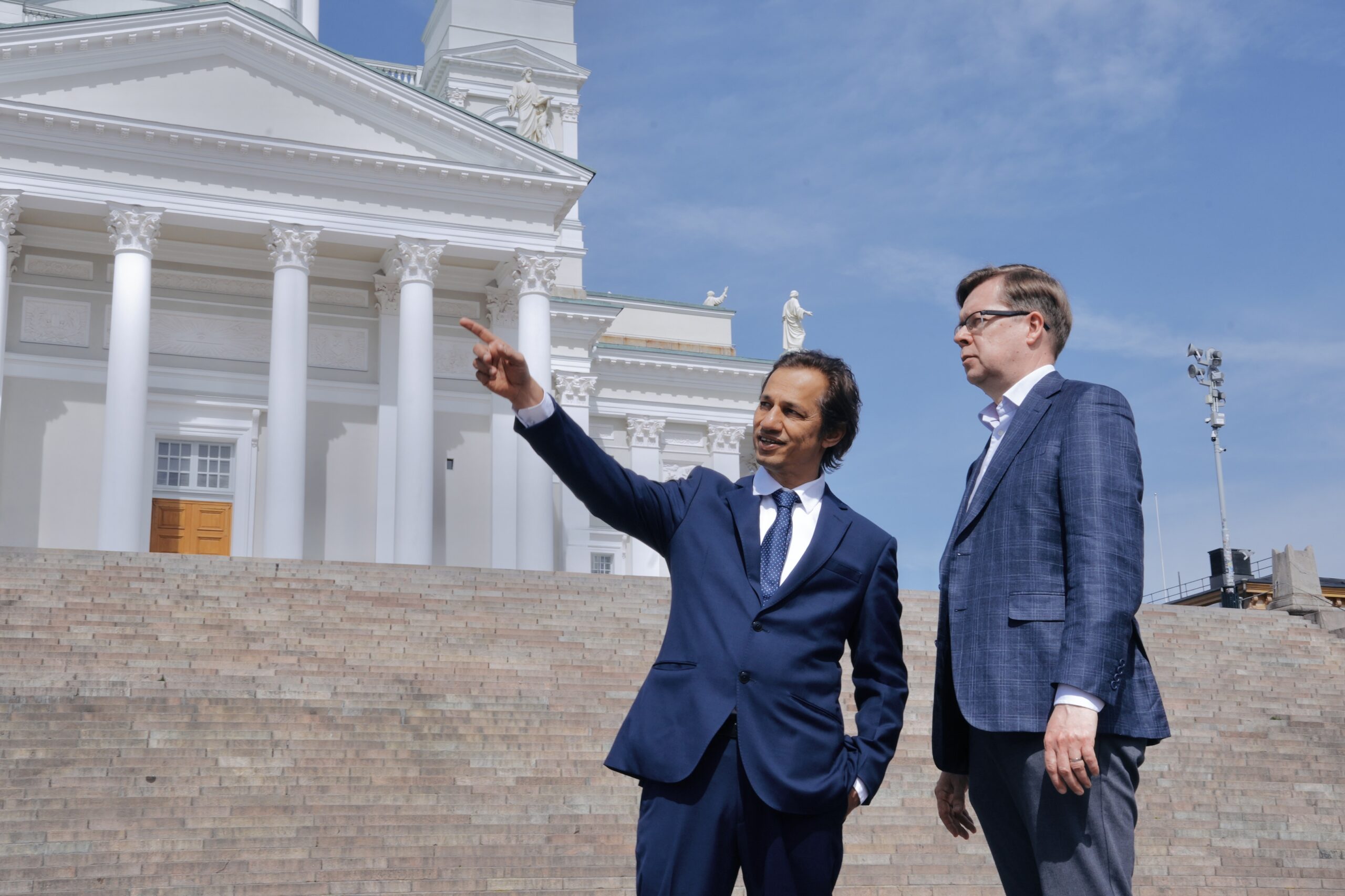
European HQ
Sarvatra in Helsinki
What Sarvatra will build
The strategic case rests on a parallel between the two markets. India is 34 states, each with its own language and culture, and Sarvatra built one platform that works across all of them. Europe is a core of 27 countries plus their neighbours, fragmented across languages and regulatory regimes, every one needing payment infrastructure that works locally. Agashe sees the European problem as the one Sarvatra already solved: building a single system that runs across markets that don’t share a language, a regulator, or a payment habit, at the scale of India’s huge population, where the platform clears billions of transactions a month.
The European operation starts with a local team in Helsinki, and Agashe was specific about why local. Payments work only as an ecosystem of issuers, networks, and acquirers, and that ecosystem needs local talent built alongside it. Sarvatra plans to work with universities in the Helsinki region, giving final-year students projects on live systems rather than observer roles.
Where Agashe expects the next five years to go
He named three openings for Sarvatra in Europe. The digital euro, which the European Central Bank is developing, maps onto the digital rupee work Sarvatra already did, and Agashe has named it the company’s main focus for bringing that experience into Finland. AI-based payments, which he expects will need tokenised payment systems. And continued growth in real-time rails like SEPA. He also pointed to customised loyalty program as a layer that has to move at the same speed as the payment itself.
The last mile
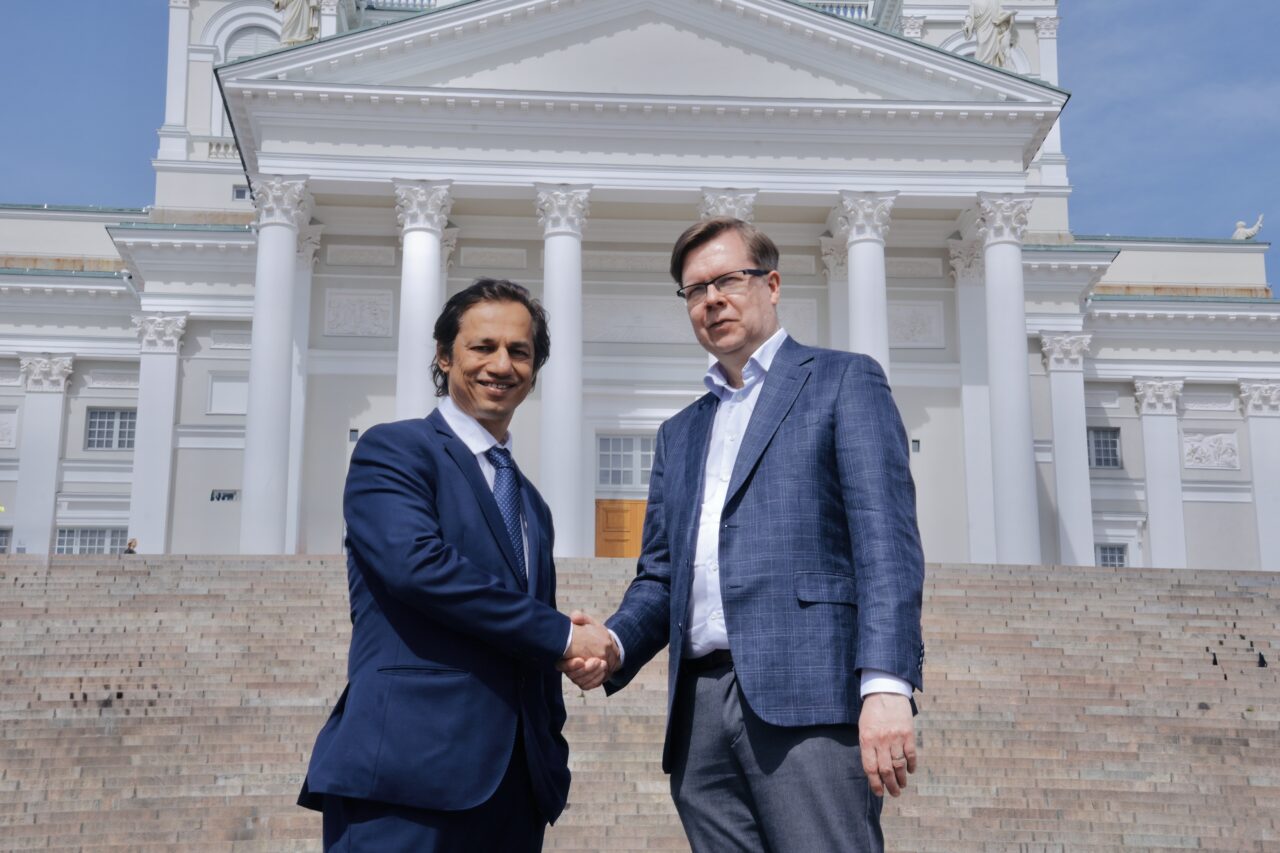
Agashe credited two things for closing the decision. The Finnish government and Helsinki Partners team met Sarvatra repeatedly in India, showing what the country offers. Once the company turned its attention to Helsinki, Helsinki Partners helped connect it with the city’s innovation ecosystem, ensuring that the opportunities discussed became tangible business relationships. That combination, Agashe says, is why Helsinki now feels like his second home.
Ready to grow?
Whether you’re looking for tailored advice, industry connections, or market stats, Helsinki Partners is your trusted partner in Finland. Reach out today and make the most of Helsinki’s vibrant business landscape.