7 unexpected traces of Alvar Aalto design in Helsinki
The buildings designed by Alvar Aalto are famous. His furniture can be found in museums. And in homes, libraries, schools and restaurants. You name it. However, the wider Aalto story in Helsinki is bigger, stranger and more unfinished than you might expect.
Here are seven new ways Aalto can be found in Helsinki: some built, some imagined, some echoed, inherited or accidentally summoned.

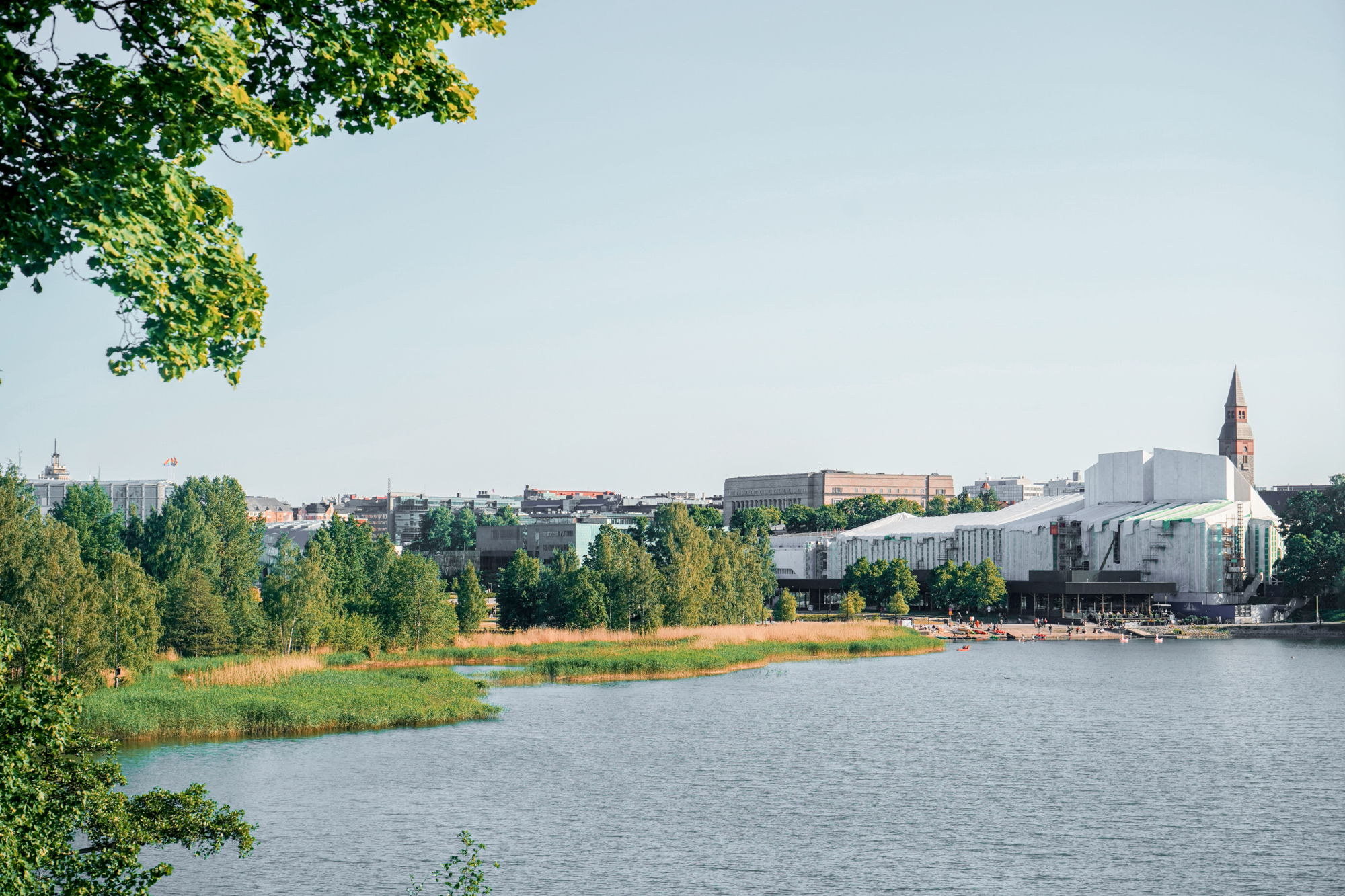
1. The city that never was
In the early 1960s, the Aalto office took on one of the most ambitious briefs in Finnish architectural history: reimagine the city centre. There was to be a row of cultural buildings along the water. A grand face for the capital. And then? Almost none of it was built.
Finlandia Hall on Töölönlahti Bay was a significant piece of the plan. There it is. The Helsinki Energy Office Building in Kamppi? Also standing. The rest? Still on paper. Stand on the opposite shore today and look across the water at Finlandia Hall. Not quite the city skyline Aalto imagined.
While you’re here: Walk or cycle the Töölönlahti Bay loop. One of the city’s most popular routes. Psst, the view from the Blue Villas Cafe terrace is worth lingering for.
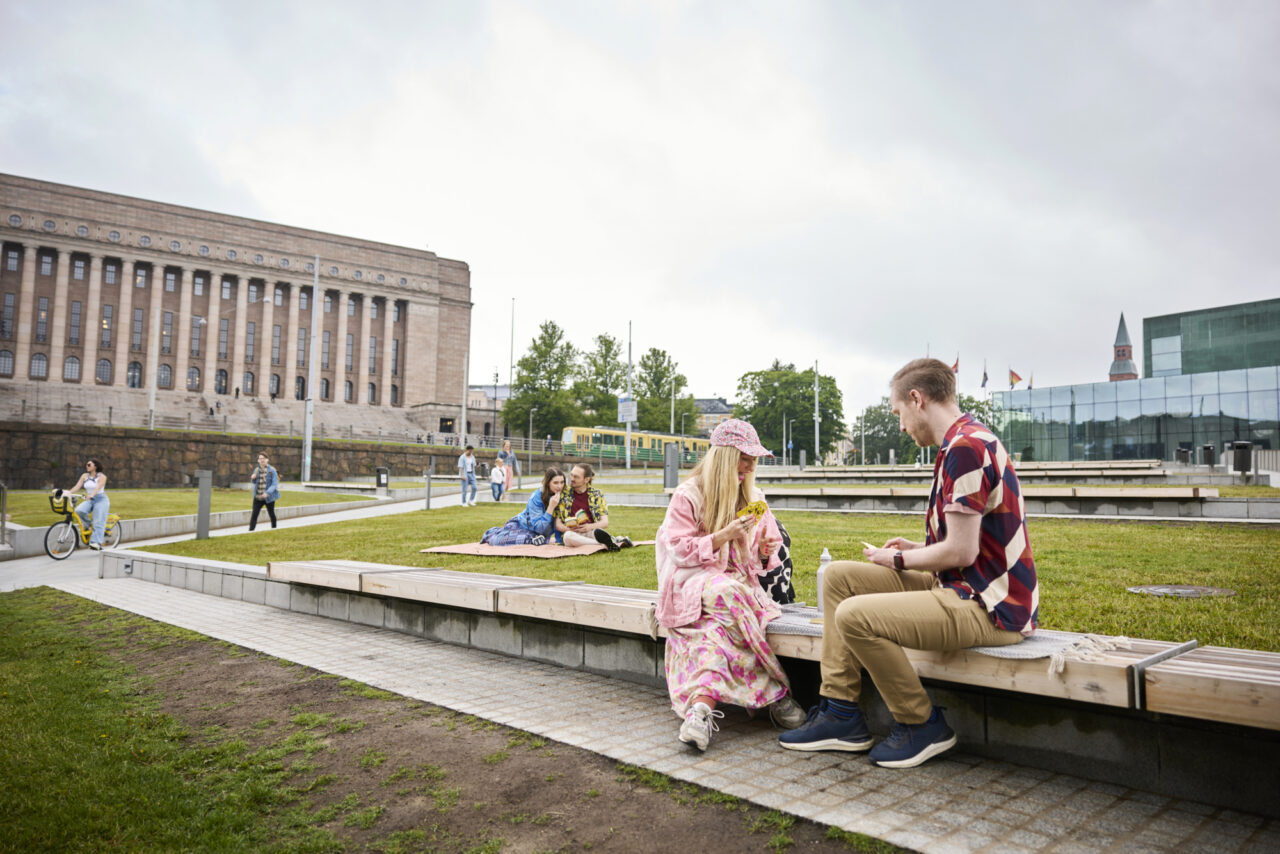
2. Parliament House and the stadium that wasn’t
Before Aalto left any major mark on Helsinki, he tried to shape its most symbolic spaces. unsuccessfully. He entered the Parliament House competition in the 1920s, but didn’t win. Later, he drew up plans for a stadium and sports centre in Helsinki: sport, monument and Finnish independence in one gesture. Also not built. The Olympic Stadium rose in Töölö in 1938 instead, designed by Yrjö Lindegren and Toivo Jäntti.
Two Helsinki icons that exist precisely because Aalto didn’t build them.
While you’re here: Book a guided tour of Parliament House and ask about its sauna, because of course there’s one. With over three million saunas in Finland, you can hardly be surprised.
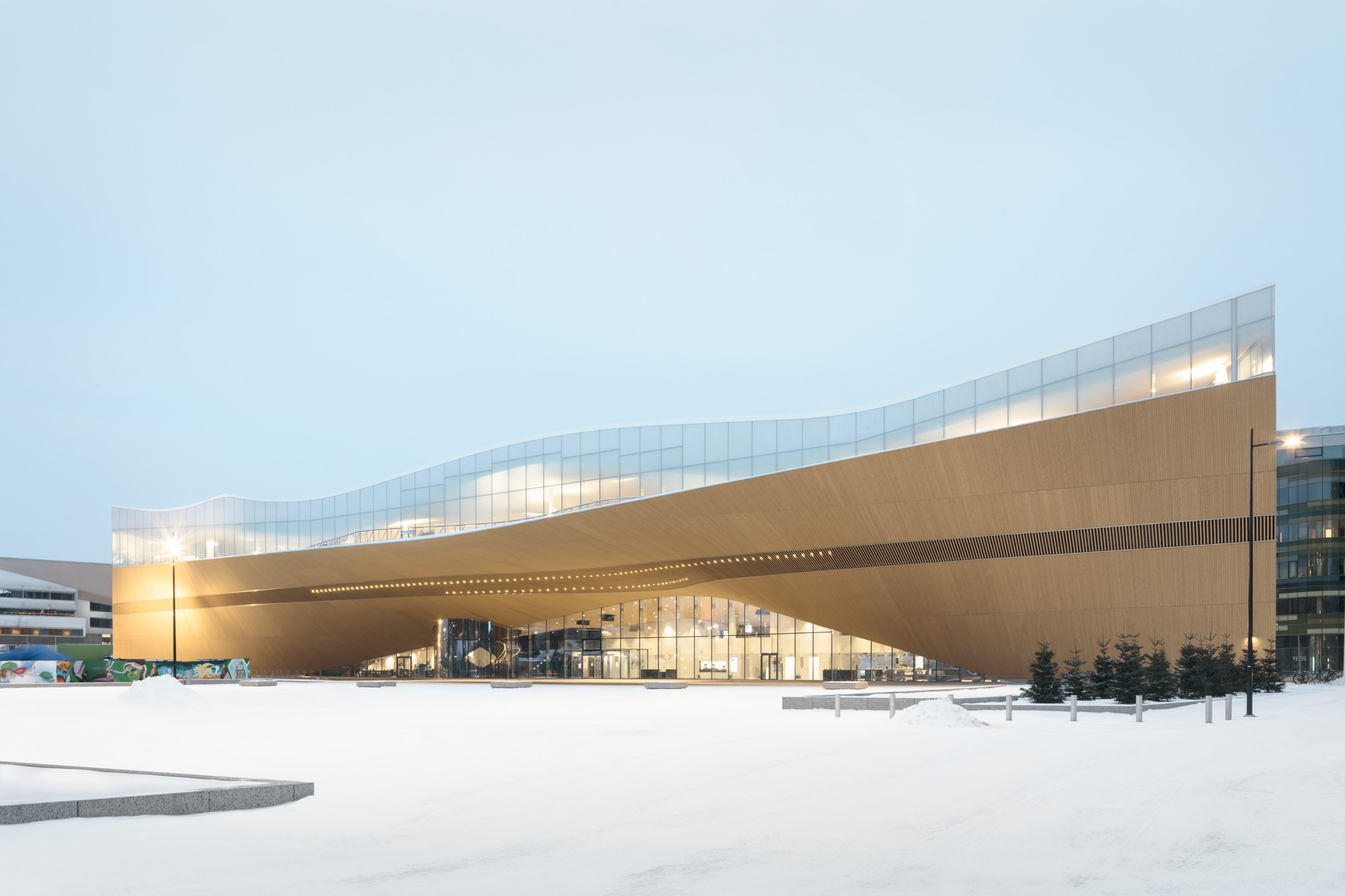
3. Oodi Central Library and the language Aalto left behind
Oodi arrived in 2018 with much fanfare. The city’s gift to itself in the wake of Finland’s centenary of independence. You’d expect Helsinki’s most famous architect to get a namecheck. Wrong. Oodi isn’t an Aalto homage.
ALA Architects‘ design belongs fully to the 21st century. But its sweeping timber form speaks a language Aalto helped make familiar. Wood, curves, human scale. And the instinct: build around the person, not just the brief. A space for all. Sounds pretty Aalto to us.
While you’re here: Go inside Oodi, not just around it. So much more than books: sewing machines, musical instruments, gaming facilities, studio space. Don’t miss the terrace, aka Citizens’ Balcony. Hello sun.
4. Helsinki City Theatre – The building that feels like an Aalto
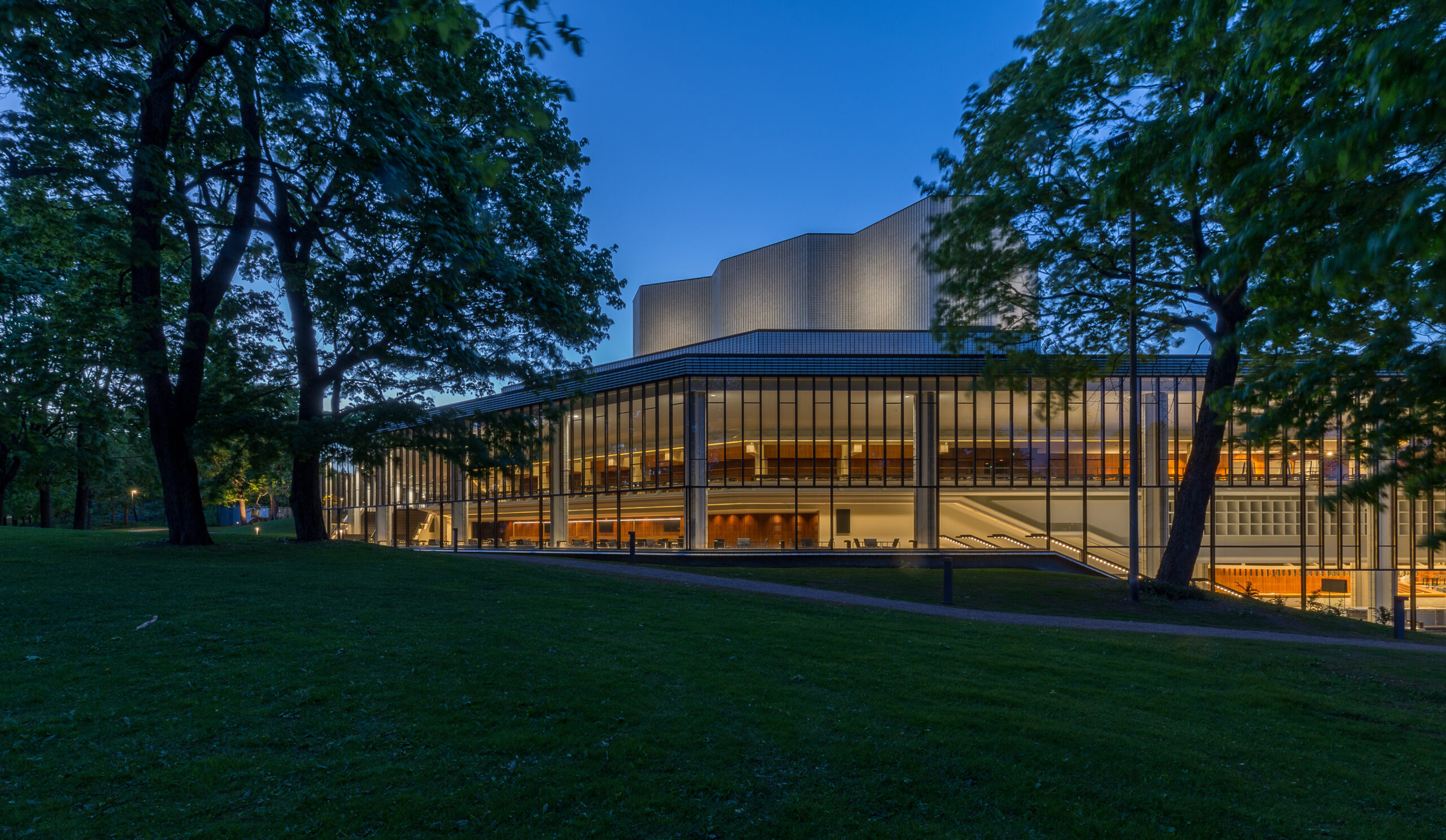
When wandering the shore of Tokoinranta, a modernist building might catch your eye. Soft lines, human scale, a glass-walled foyer opening towards the park. It looks like an Aalto. It feels like an Aalto.
It is not an Aalto.
Designed by Timo Penttilä and Kari Virta, Helsinki City Theatre opened in 1967, much of it embedded into the sloping park terrain. Seems familiar. One of Helsinki’s finest public buildings. But no, not an Aalto. You’d be forgiven.
While you’re here: Speaking of memorable architecture, follow your nose downhill to Hakaniemi Market Hall. A feast of flavours and genuine local market energy upstairs.
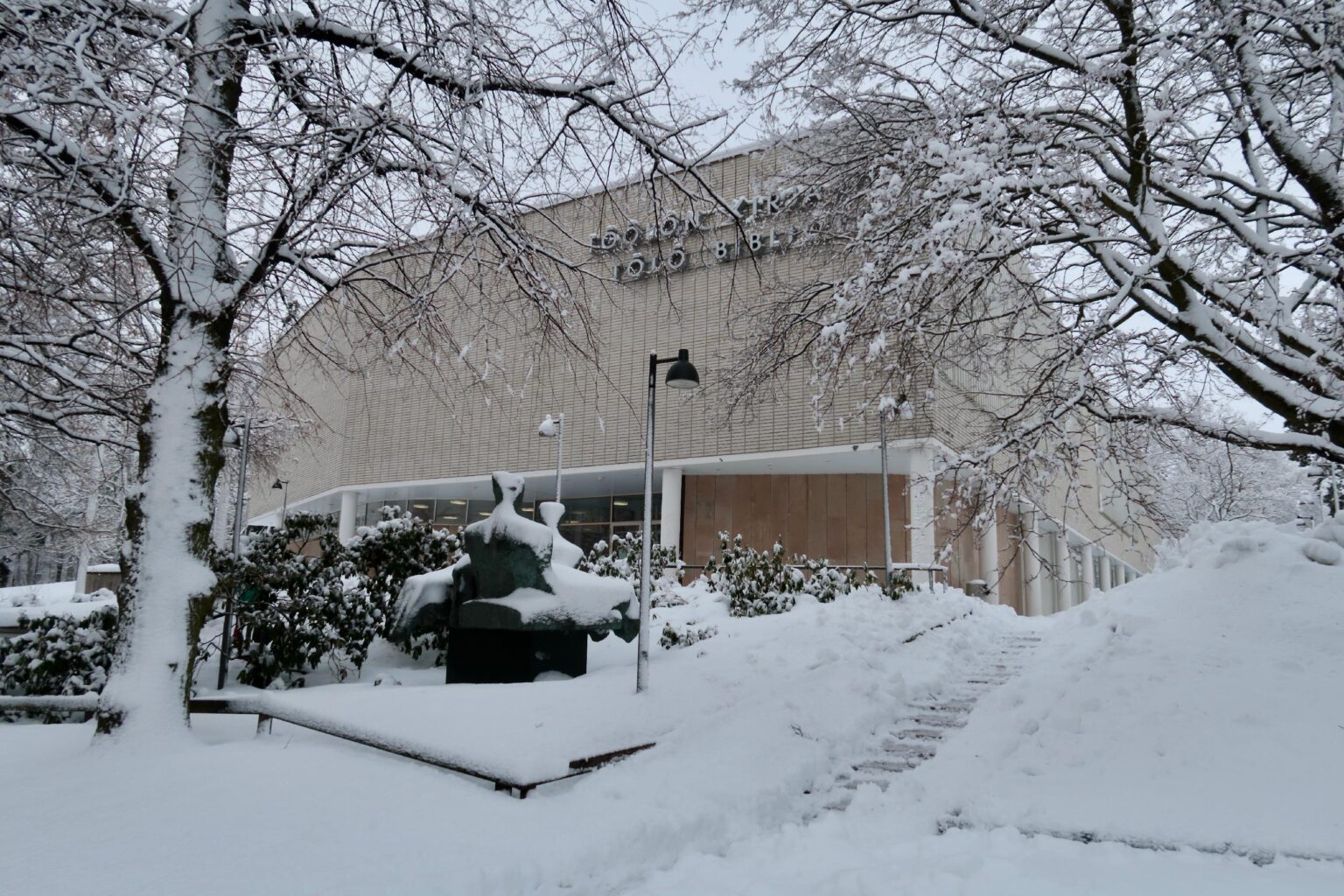
5. Töölö Library – The library that listened
Töölö Library, designed by Aarne Ervi and opened in 1970, is one of Helsinki’s clearest echoes of Aalto’s Viipuri Library. Ervi had worked with Aalto, and it shows. But it has its own sense of humour: ear-shaped benches in the music section, an eye-like feature above the stairs. Seek them out.
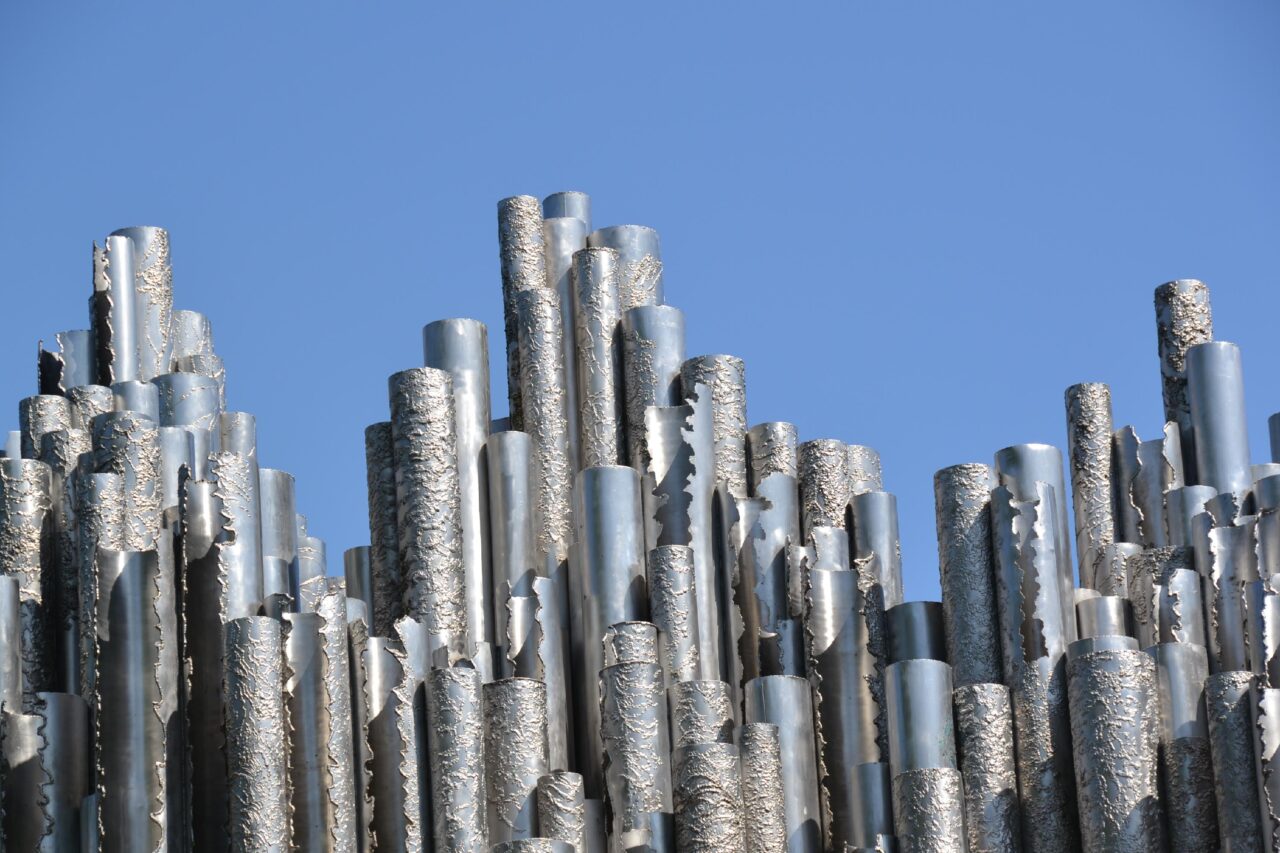
While you’re here: The Sibelius Monument is a short stroll away – worth the detour. Regatta is also right there for cinnamon buns and seaside vibes.

all around
Echoes of Aalto
6. Pihlajamäki – the suburb that grew from the forest
Aalto’s Sunila residential area in the seaside city of Kotka helped define the Finnish idea of housing set among trees rather than imposed on an abstract grid. A generation later, the same thinking arrived in Helsinki. Pihlajamäki, a suburb developed in the early 1960s, placed its tower blocks freely within rocky wooded terrain. Aalto didn’t design it. The plan was by Olli Kivinen. But the idea is familiar: housing should meet the terrain, not flatten it.
While you’re here: Hunt down Aarnipata and Rauninmalja. Two giant’s kettles hidden among the tower blocks, over 50,000 years old.

7. Aalto University – Aalto by name, Aalto by nature
Okay, this one is just across the city border in Espoo. But it’s absolutely worth a mention. A short metro ride from the centre sits the campus that carries the Aalto name in more ways than one. The early layout was developed by Alvar and Aino Aalto; key later buildings came from the Aalto office, with Elissa Aalto closely involved. Low, brick, park-like, woven into the landscape. Less American college campus, more Finnish forest clearing with lecture halls.
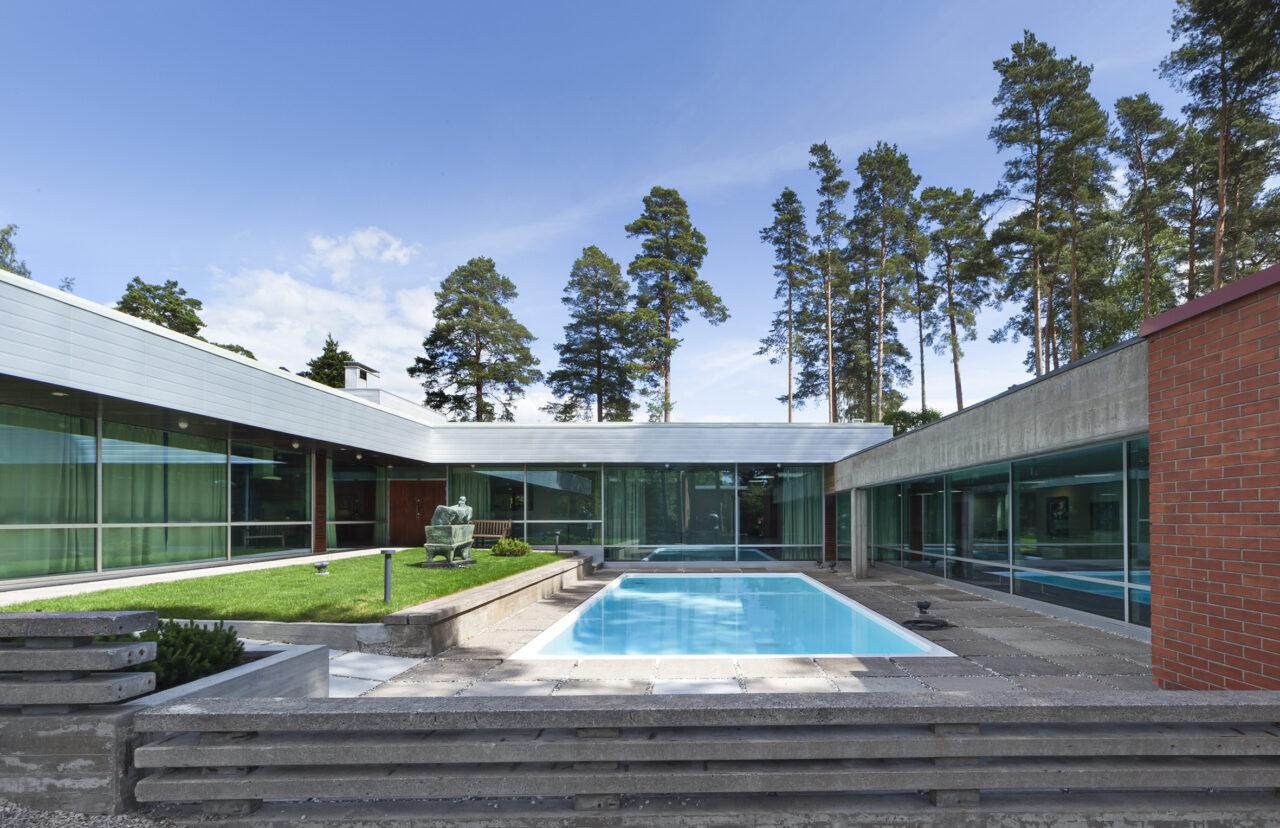
While you’re here: Forgo the metro ride back in favour of a stroll or bus to the Didrichsen Art Museum. The Aalto influence is unmistakable. Don’t leave without going inside.
See the places on the map
All about Alvar Aalto and Helsinki
If you want civic, monumental Aalto, Helsinki has it. If you want the intimate and domestic, Helsinki has that too. If you want interiors and objects, design you can sit in, eat at, and take home, Helsinki has all of it. Whatever draws you to Aalto, this is where his story is most fully told.